

The Top 4 Collision Damage Types Every Driver Should Know
By |
As a collision repair professional, you know better than anyone that front-end, rear-end, side-impact and sideswipe collisions dominate your daily workload. The National Highway Traffic Safety Administration (NHTSA) reports the same trend.
The NHTSA finds that front-impact car collisions are the most common, followed by rear-end and side-impact collisions. While they make up just over one in 10 accidents, sideswipe collisions can be one of the most damaging types of collision.
Body shops know firsthand the different types of car collisions and have a good idea of the complexity of the repair. Still, as vehicle technology advances, keeping up can be challenging. Collision technicians face the additional hurdles of fully understanding how vehicles equipped with Advanced Driver Assistance Systems (ADAS) and other systems interconnect. Here’s a breakdown of the challenges auto body repair shops face with front-end collisions, rear-impact collisions, and side-impact collisions.
Different Types of Car Collisions Require Specific Repairs
Advanced safety features, ADAS technology and other innovations are a big plus for modern drivers, but not so much for auto body repair shops. Most drivers don’t know or care how vehicle technology works – as long as it works.
Unfortunately, collision repair technicians don’t have that same luxury and must rely on OEM information from resources like SUN® Collision Repair Information for safe and accurate repairs. Here are four types of collisions body shops encounter often and the repair challenges they can pose.
#1 FRONT-END COLLISIONS
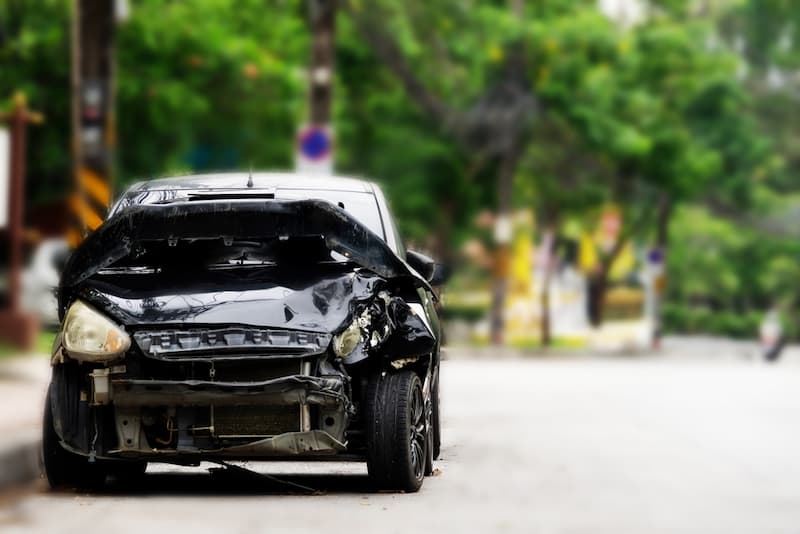
The bumper takes the brunt of the impact in these types of collisions, and common damages include headlights, grilles, hoods, and windshields.
The damage from a front-end impact can include mechanical damage, suspension issues, and frame problems. Therefore, collision technicians need the latest OEM collision repair processes and diagnostics to identify these often-hidden damages.
Below are some typical repairs body shops must tackle after a front-end collision.
Suspension and Alignment Issues
The suspension system is particularly at risk of damage in a front-end vehicle collision, especially when the vehicle has independent suspension. An impact can warp or break suspension components and easily cause misalignment. The connectivity of sensors and other vehicle technologies also adds to the issue, as these components are often found in the front area of most modern vehicles.
Frame Damage
The bumper and supporting components are engineered to absorb the impact of a collision effectively. However, in instances where the force surpasses a certain threshold, it can result in substantial damage to the frame.
Frame damage may not be evident using the traditional assessment process because of the influx of newer and lighter materials. These advanced frame materials require specific diagnostics and testing to identify the damage, and accurate repairs can require proprietary equipment.
Windshield Damage
A cracked windshield after an accident would simply be replaced or repaired in the past. Because modern cars feature safety components like cameras and sensors, often built in or connected to windshields, the process is much more involved. These critical components must not only be repaired or replaced but also calibrated to precise measurements.
Transmission and Engine Damage
From cracked or warped components to internal damage, transmissions and engines can also be affected in a front-end crash. While fluid leaks, cracked fans and other evident damage are easy to identify, technicians must rely on the latest repair information and diagnostics for the rest.
#2 REAR-END COLLISIONS
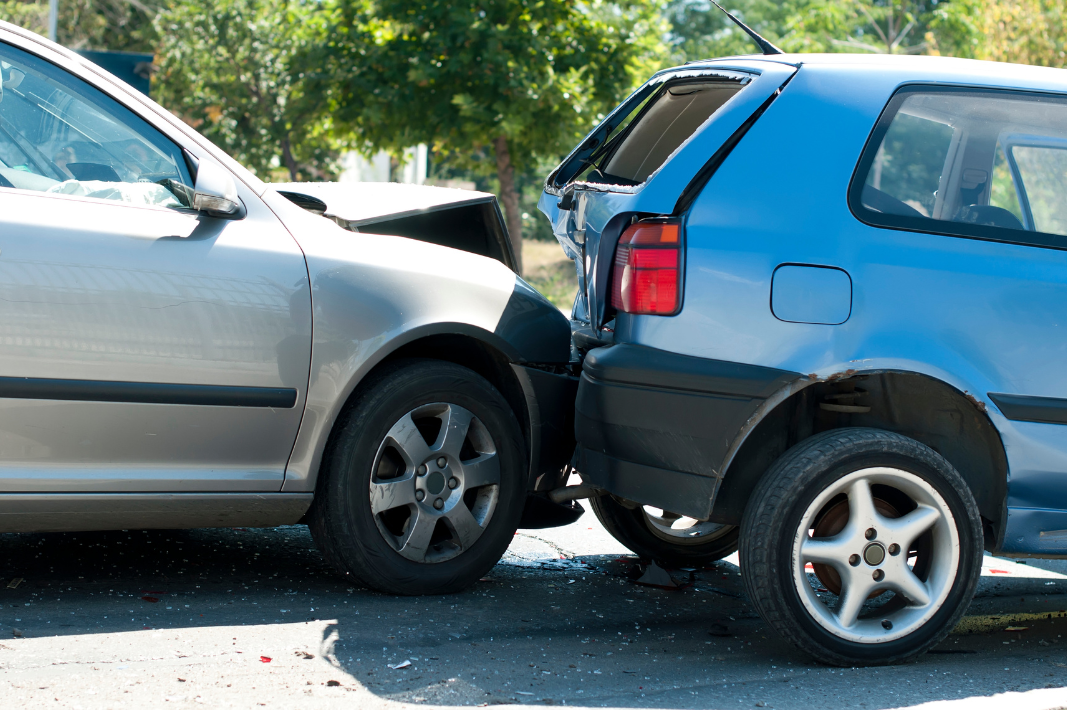
Like the front bumper, the rear bumper and related components are designed to absorb the force of a collision. The most evident damage from these types of collisions will be to the bumper, lights, trunk, and rear panels. Automotive collision repair software enables technicians to detect collateral damage that might not be so easily seen.
Drivetrain Issues
When a car is struck from behind in a collision, the exhaust system can move forward. Depending on the amount of force, this movement could impact the catalytic converter, manifold, and even engine mounts.
Frame Damage
A rear-end impact can damage the immediate frame area and beyond. As a result, specific repair methods, equipment, and tools are needed to effectively address the frame damage as well as the interconnected ADAS and other systems.
Transmission Damage
All-wheel- and rear-wheel-drive vehicles have transmission components near the rear areas that may also be damaged in a rear-end accident. While fluid leaks and shifting problems may be obvious, the only way to assess the extent of damage to the transmission is with current OEM collision repair diagnostics.
#3 SIDE-IMPACT COLLISIONS
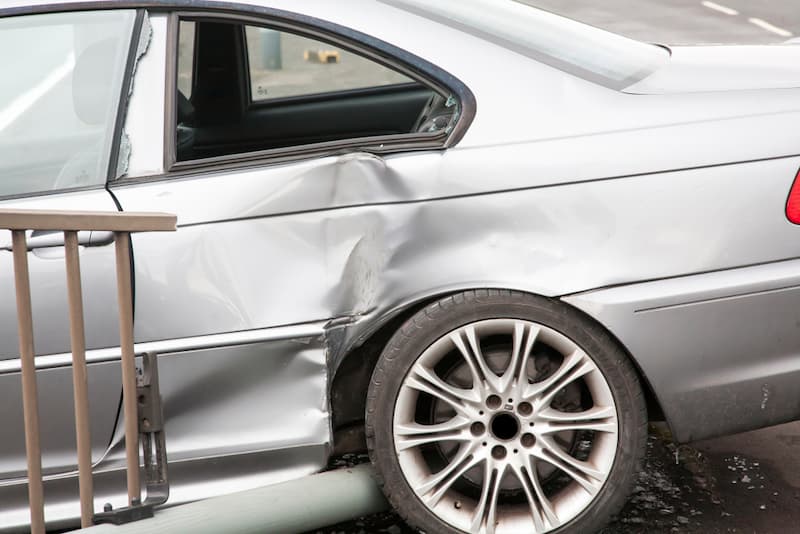
Because a side-impact collision can occur anywhere on a vehicle, the damage can range from crumpled door panels to broken glass. If the impact is at the front or rear side of a car, the damage can be even more extensive.
Door and Panel Damage
Modern vehicle doors and other panels are typically constructed with lightweight materials. Reinforcements and the frame behind these panels are designed to absorb most of the impact, so a side-impact accident can require replacement panels. Collision repair technicians need up-to-date OEM information to repair and replace the most common materials.
Wheel Damage
Most wheels on recent model vehicles are also made with lightweight materials, which aren’t designed to take a severe impact without damage. A side collision can damage wheels severely enough to require replacement and even damage the wheel hubs and other components. A side-impact collision can also cause suspension damage, leading to poor handling that could be unsafe.
Frame Damage
A side impact can damage the frame and even weaken the entire structure. The typical unibody frame is designed to protect occupants by absorbing as much force from a collision as possible. However, when struck from the side, the frame can bend and cause extra stress on the rest of the structure, making it unsafe. Body shops with the latest equipment and repair information can correct the bend or replace sections of the frame to make it strong and safe.
ADAS Damage
Because some ADAS components are located on the side of a vehicle, side-impact collisions can affect ADAS performance. A side-impact accident can damage sensors, cameras, and other ADAS components that make up the system’s LiDAR and radar functions.
The result can lead to false alerts and other miscues that can impact driver and vehicle safety. In worst-case scenarios, a side impact can cause ADAS failure that puts the driver in significant danger.
#4 SIDESWIPE COLLISIONS

While typically not as severe or dangerous as a side-impact or head-on collision, sideswipe accidents take their toll. However, at high speeds, sideswipe collisions can be one of the most damaging types of collision.
High-speed sideswipes are extremely dangerous because of the risk of losing control and the impact force. These collisions can cause a range of injuries, vehicle damage, and collateral damage to other vehicles.
Side Panels
Sideswipe collisions can cause severe damage to side panels, fenders, doors, and roofs. The damage can range from crumpled bodies to misaligned frames and other structural damage.
Wheels and Tires
A sideswipe impact can damage wheels, tires, and related components. Symptoms can include misalignment, steering looseness, and other handling issues.
Suspension and Frame
The impact of a sideswipe accident can compromise a vehicle’s frame, suspension, and other components. While this type of extreme damage is typically seen in high-speed impacts, even a minor collision can cause hidden damage.
The extent of injuries and vehicle damage depends on the speed of the vehicles involved and the degree of control maintained after impact. Because a sideswipe collision can affect the entire side of a car, the damage can range from broken taillights to damaged door panels.
These common types of collision damage will continue to be the norm, and body shops must be prepared for the ongoing advancements in the industry. From resetting the steering angle during alignment to reprogramming an ADAS-enhanced steering rack, repairing modern vehicles requires a contemporary approach.
Advanced Collision Repair for Every Type of Collision
Modern frame materials, composite panels, safety technology, and other innovations in vehicle manufacturing will continue to present challenges for body shops. Assessing the extent of damage from a collision will require specialized equipment, tools, and, most of all, on-demand OEM repair resources.
Body shops that invest in trusted auto repair software, such as SUN® Collision Repair Information, can repair common types of collision damage safely and accurately, no matter how advanced the vehicle.
Common Repair Procedures
With SUN Collision, body shops have access to an extensive database of common collision repair procedures, parts, and other elements. Our innovative technology is constantly updated with industry specs and materials to help collision technicians handle nearly every repair.
We provide OEM collision repair data and real-world repairs from other pros to ensure every repair is efficient, safe, and accurate.
Body & Frame Collision Repair
Advanced technology gives collision repair facilities the essential information to stay in the loop. As aluminum, high-strength steel, and other modern materials advance, OEM repair information becomes more and more critical.
On-demand collision repair data takes technicians from diagnostics to the final finish. We make it simple to find every detail for materials, structural repairs, panel removal and everything else they need to complete a repair correctly.
Material Data
Advanced composite panels and other innovative materials can be unfamiliar territory for many collision repair technicians. SUN Collision provides all the OEM information body shops need to stay ahead of the curve and complete repairs accurately. From the most current replacement processes to adhesives, technicians can find comprehensive data with the click of a button.
OEM ADAS Information
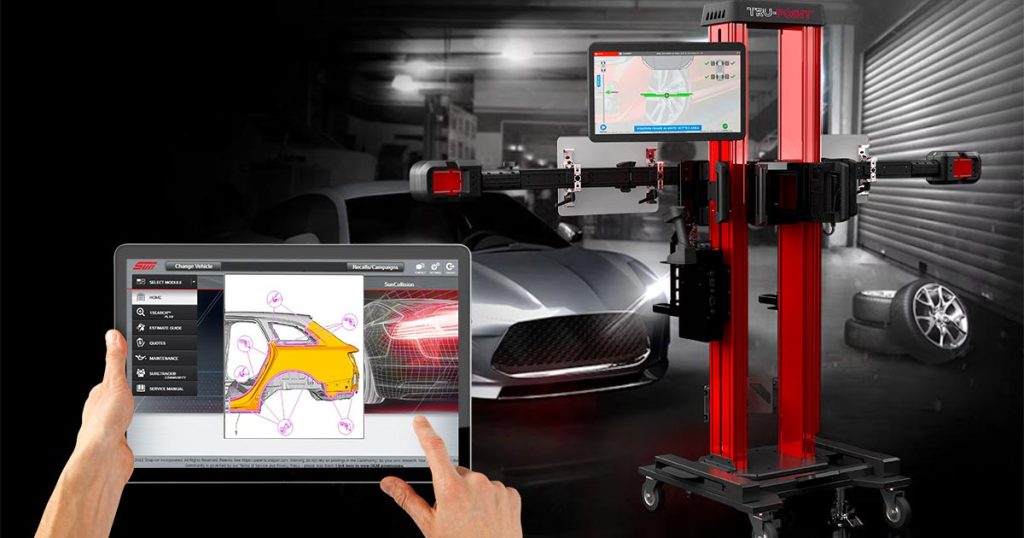
Position your body shop to handle even the most sophisticated ADAS technology today and in the future with advanced automotive repair software. Collision repair software from SUN includes easy-to-understand wiring diagrams, calibration processes, and more to make ADAS repairs safe and accurate.
Paint & Finish Data
Frames, materials, computerized systems, and safety features aren’t the only areas impacted by innovation. Every body shop technician knows that the finished repair must not only be safe and comprehensive, but it must also look like the collision never happened.
Repair technicians who work with SUN Collision have on-demand updated information for surface prep, application processes, material handling, and surface protection.
Stay on Track with SUN Collision
A modern body shop needs modern technology to keep pace with the constantly changing and complex collision damage. SUN Collision delivers on-demand OEM repair information in terms and images familiar to experienced technicians. We also make that information easy to find using YMM, VINs, codes, and component-specific criteria that are equally familiar.
When you invest in auto body repair technology from SUN, the return is more knowledgeable technicians, faster turnarounds, and the safest, most accurate repairs. Take your body shop to the next level with answers for every type of repair. Get your free, no-obligation demo or talk with a collision repair professional at 877-840-1973 today.

Kiran Wagh serves as Inside Sales Manager for SUN Collision and other Snap-on, Inc. brands, including Mitchell 1. He began his career at Snap-on in 2015 as an inside sales developer for Mitchell 1 and promoted to sales manager in 2019 for SUN Collision. Previously, he worked as a Demand Generation Specialist at Harte Hanks, where he led B2B lead generation campaigns with prominent networking and IT infrastructure companies. Kiran earned his degree in Aircraft Maintenance Engineering Level 1 in 2007 from the Hindustan Aerospace and Engineering college in Maharashtra, India, and later went on to study Information Technology at the Cisco Networking Academy.
Recent Blogs
- Eight Essential Sensors in Modern Cars — What They Do & Why They Matter
- Why Are Cars Designed to Crumple in the Front During Collisions?
- SUN Collision Shares 2025 Best of the Blogs
- Introducing OneProfile: A Unified Navigation System for Snap-on Software Tools
- SUN Collision Names Winners of ‘Thank You Thursdays!’ Sweepstakes