
Why Do Vehicles Have Crumple Zones?
Nearly every body shop repair technician is familiar with crumple zones. These highly effective vehicle safety features have been standard on most vehicles since the 1990s. When a customer asks why vehicles have crumple zones, they are counting on your body shop’s expertise for answers. Here’s what you need to know to help customers understand how it works and what it does.
What is a Vehicle Crumple Zone?
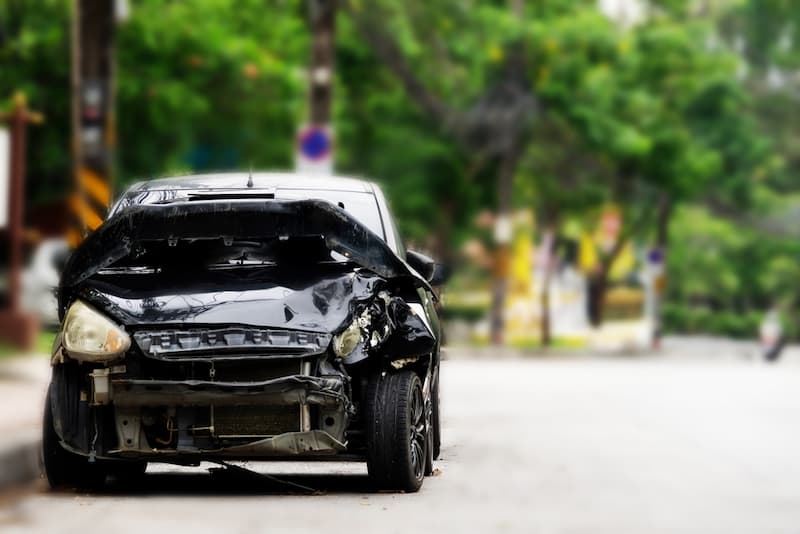
The crumple zone is a safety feature that dates back to the 1950s. Because it is so effective, it’s built into nearly every modern vehicle. A crumple zone, also called a crush zone, is a safety feature that puts physics to work to protect drivers and passengers during a collision. Crush zones are typically located at the rear and front of a vehicle but can be found in other areas of modern cars and trucks. These zones are designed to absorb the energy of an impact to lessen its effect on the cabin and occupants.
How Crumple Zones Work
Vehicle crumple zones reduce the initial impact in a wreck by redistributing the energy to minimize the effect on the vehicle’s occupants. Without a crumple zone, the engine, cabin and other rigid parts of the vehicle would take the full impact of a collision. Creating a safety barrier around these areas that helps them withstand the initial impact. Crumple zones at the front of a car or truck are especially effective at reducing the impact of a head-on collision, potentially saving lives.
How Crumple Zones Protect Vehicle Occupants
When a car crashes, its crumple zones slowly collapse to lengthen the duration of the impact. Increasing the collision time protects drivers and passengers from taking the full brunt of the impact. A crumple zone impact can create more damage to the vehicle but significantly reduces the risk of injury. Modern crumple zones will typically absorb about 25 percent of the initial impact and can significantly reduce injury and death.
How Crumple Zones Work With Other Vehicle Safety Features
While crush zones are nothing new, their design and how they fit into overall safety continue to evolve. In addition to crumple zones in automobiles, most manufacturers also feature airbags, head restraints, cushioned interiors and other safety features to minimize injury during an accident. These features include:
- Safety Cage
A safety cage is a rigid structure that surrounds a vehicle’s cabin to protect occupants from injury. While the crumple zone absorbs the energy from a collision, the safety cage holds the vehicle together. - Side Airbags
In a side-impact collision, most vehicles only absorb about 5 percent of the force. Side airbags engage in a fraction of a second to minimize the impact on occupants. - Electronic Stability Control
The electronic stability control safety feature identifies when a skid is imminent and activates braking to help drivers keep control of the vehicle. - Seat Belts
While seat belts aren’t a new or innovative safety feature, they still play a significant role in reducing injury during a collision. Vehicle occupants wearing seatbelts during a collision can reduce their risk of death by up to 50 percent.
Crumple Zone Collision Repair Challenges
Now that you can effectively educate customers on vehicle crumple zones, let’s look at the challenges your body shop faces in repairing them. After a collision that impacts a vehicle’s crumple zones, the vehicle must be repaired or replaced according to the manufacturer’s standards. Because the safety feature is highly effective, a car may be undrivable even after a minor accident. As vehicle safety technology like crush zones evolves, the need for up-to-date OEM repair information is essential for safe and accurate repairs.
Advancements like the use of new materials and innovative designs pose numerous challenges in collision repair. High-strength steel alloys, for example, are one of the most common construction materials for crush zones. Composite materials are also being used to create tailor-made crumple zones in cars for different areas. Working with these modern materials requires specialized training, tools and accurate OEM data.
SUN Collision: The One-Stop Solution for Modern Collision Repair
Vehicle crumple zones and other safety features will continue to evolve, from the technology behind them to the materials used to make them. SUN® Collision Repair Information can help your body shop evolve alongside vehicle technology and stay ahead of the curve. You’ll have real-time access to the latest OEM collision repair data, including diagnostics, common repairs and material handling. From crush zones to frame repairs, SUN Collision takes the mystery out of repairing even the most advanced vehicles.
We also make it simple to streamline the repair process for front-end collisions and other repairs with our powerful Repair Package feature. The SUN Collision Repair Package is an innovative software feature that simplifies the blueprinting process. SUN Collision uses automated technology to create repair packages that are more efficient and accurate than the conventional process. Faster, easy-to-create work packages are just one of the many advantages your shop can experience when you team up with SUN. Discover how SUN Collision can make collision repair more manageable today and in the future.
Interested in Learning More? Call 877-840-1973 or schedule a free demo to learn how to leverage the power of SUN’s advanced collision repair technology.
SOURCES
https://en.wikipedia.org/wiki/Crumple_zone
https://auto.howstuffworks.com/car-driving-safety/safety-regulatory-devices/crumple-zone.htm
https://www.mdpi.com/2076-3417/13/3/1686
https://www.news.market.us/car-safety-statistics/
https://pmc.ncbi.nlm.nih.gov/articles/PMC3256831/
Ross Whiteley, Product Manager for SUN Collision, has held roles of increasing responsibility at Snap-on over the past 13 years. He joined SUN Collision’s sister company, Mitchell 1, as a Product Contact Support Representative in 2010 and was later promoted to Client Services Manager. He began his career after high school as a UPS driver in 1997 and went on to earn a Bachelor’s degree in Business Management and an MBA in BA in Project Management at Purdue University in 2015. In the interim, he held various positions in the auto industry, including roles as Service Consultant at Lithia Chrysler Dodge and Assistant Service Manager at Cascade Auto Center.
Recent Blogs
- Eight Essential Sensors in Modern Cars — What They Do & Why They Matter
- Why Are Cars Designed to Crumple in the Front During Collisions?
- SUN Collision Shares 2025 Best of the Blogs
- Introducing OneProfile: A Unified Navigation System for Snap-on Software Tools
- SUN Collision Names Winners of ‘Thank You Thursdays!’ Sweepstakes