

Come see us at the Southeast Collision Conference and learn about the latest enhancements to SUN Collision Repair Information, including our new Repair Package!
SUN Blog
Best Practices for Fast-Tracking Collision Repairs at Your Auto Body Shop
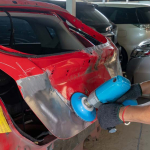
Even the most experienced collision repair technician can only perform repairs as fast as the shop’s limitations allow. To fast-track repairs, the first step is to minimize the limitations in your shop that slow down the repair process.
SUN Collision to Showcase its Auto Collision Repair Software at Northeast Conference

Come visit the SUN Collision booth #523 at the Northeast Conference to get a demo of our collision repair software, which has been enhanced with new and exciting features!
SUN Introduces Automated Work Packages that Streamline Collision Repair Processes
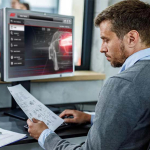
The SUN Collision Repair team announces the release of a new automated work package that will enable body shops to gather all relevant information about a job – including repair procedures, illustrations and diagrams – with a click of a button.
Exploring the Different Types of Materials Used in an Auto Body Shop
With so many advanced materials used to make a car, from aesthetics to performance — knowing how to handle them during a collision repair is critical for your body shop’s success.
Five Auto Body Shop Industry Trends Making Waves Across the Industry
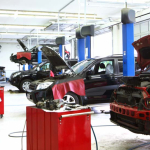
It can be a challenge to keep up with the latest composite body materials, computerized systems and safety features, much less stay on top of current repair procedures. Technicians can take comfort knowing SUN® Collision has their backs.
Get the Scoop on Vehicle Recalls and Technical Service Bulletins

Vehicle recalls and Technical Service Bulletins (TSBs) address the performance and safety of a vehicle, but it’s important to know the difference between the two and how to deal with these issues.
OEM Repair Software May Be Your Collision Repair Shop’s Most Valuable Asset

When you invest in OEM auto repair software for collision repair, your body shop will have advanced information needed to work on advanced vehicles today and in the future.
Top 7 Advanced Vehicle Safety Features That Shops Need to Know About for Collision Repair
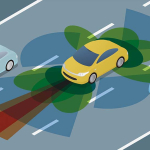
ADAS and other technology-based vehicle systems will continue to evolve, and the only way for body shops to keep up is by using advanced OEM information software in their bays.
How to Improve Your Auto Collision Diagnostic Processes at Your Body Shop
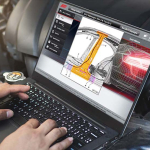
If you own an auto collision shop, you know how important it is to have a fast and accurate diagnostic process. If it takes you too long to complete collision repair diagnostics, you could slow down the entire repair and risk disappointing the customer and potentially losing their business.
Eight Types of Sensors Used in Automobiles, from Cameras to Oxygen Sensors

Learn about some common vehicle sensors and how SUN® Collision Repair Information can help your body shop perform safer, more accurate repairs in less time.
Getting ADAS Repairs Right for Vehicles with Forward-Warning Alerts

A forward collision warning (FCW) system is one of many components that comprise Advanced Driver Assistance Systems (ADAS). Getting ADAS repairs right is critical for your collision shop, the vehicle’s drivers, and anyone else on the road.
Calibration Research Tips For Collision Repair
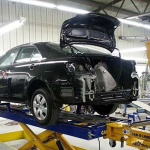
Getting ADAS calibration and repair right is critical; there’s no room for error. The vehicles you work on and the people who drive them depend on your expertise to keep them safe.
How TSBs Can Help Your Body Shop
Your collision shop is familiar with Technical Service Bulletins (TSBs), but do you and your technicians use them as often as you should? Here’s a refresher on how TSBs can be an essential tool for completing accurate repairs.
Why Collision Repair Software Could Be a Collision Technician’s Most Important Tool
While collision repair software can’t replace hands-on experience, it can give professional technicians the tools they need to keep up with increasingly more complicated collision procedures.