
Unsung Heroes: Types of Sensors in Cars
By |
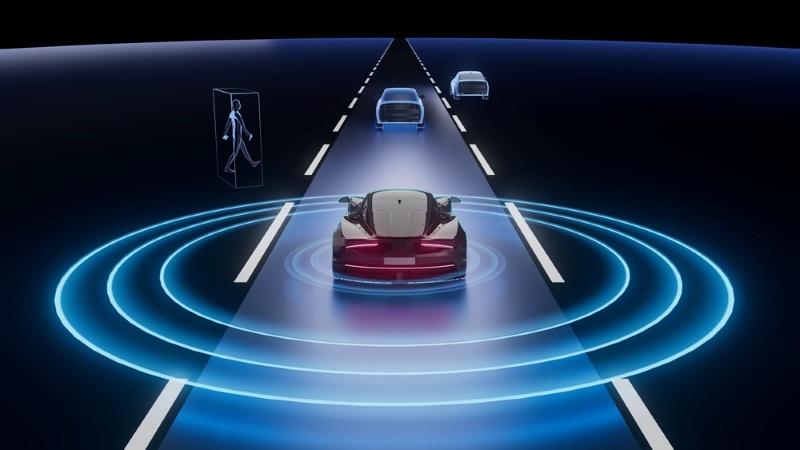
Sensor technology is one of the fastest-moving developments in modern cars and trucks, particularly those used in advanced driver assistance systems (ADAS). Each year, car manufacturers build their vehicles with better, faster technology that uses various sensors, from cameras to oxygen sensors.
These advancements present unique challenges for collision repair facilities because the line between mechanical and collision repairs has all but disappeared. Modern collision repair means working with composite materials, mixed steel frames, and many types of sensors in cars, trucks and SUVs.
Read on to learn about some common vehicle sensors and how SUN® Collision Repair Information can help your body shop perform safer, more accurate repairs in less time. From oil pressure sensors to lane-departure sensors, you get the most up-to-date OEM repair information for optimal efficiency and profitability.
Why Sensors Matter in Today’s Vehicles
There are so many types of sensors in cars and other vehicles, so it can be challenging to know where they are, what they do, and, most importantly, how to repair them. As with any collision repair, using OEM and real-world repair information to diagnose, repair and recalibrate sensors is critical. Many types of sensors in automobiles must be calibrated to exact specifications for optimal vehicle safety.
While accurate car sensor repair is, above all, a safety issue, keeping more collision repair jobs like ADAS repairs in-house simply makes good business sense. Less outsourcing of collision repair work can decrease cycle time, minimize comebacks and deliver superior customer service. When you put the latest collision repair information to work in your shop, you not only keep more work at home, but you save time and decrease your overhead.
When you invest in collision repair software that gives you the most up-to-date repair information, you not only keep more work at home, you save time and decrease your overhead.
Key Types of Sensors in Cars
From rear bumpers and engine blocks to windshields and brakes, many types of sensors in cars are an integral part of modern vehicle safety, comfort and so much more. So, how many sensors are in a car? According to Tech Briefs, modern vehicles can have 10 or more cameras for ADAS alone, and Automotive World estimates an average of between 60 and 100 sensors in total. With the constant advancements in technology, body shops can expect to encounter even more sensors in the near future.
Most types of sensors in automobiles will be familiar to any collision repair shop that also performs mechanical repairs. Each sensor will typically throw a code or trigger a check engine light or other alerts.
Mass Air Flow Sensor
The MAF, or mass airflow sensor, is one of the essential types of sensors in cars for optimal engine performance and is controlled by a vehicle’s computer system. Because the system calculates the air density of the engine, a malfunctioning airflow sensor can affect fuel economy or even cause a car to go into limp mode. While these sensors have been around for a while, they are becoming more interconnected and complex than ever.
Oxygen Sensor
The oxygen sensor (O2 sensor) in a car or truck monitors the level of exhaust gases to create the optimal oxygen mix. The sensor compares the readings to the ambient air to determine if the engine is running lean or rich. Depending on the measurements, a vehicle’s computer adjusts fuel metering and emission levels to compensate. Symptoms of a faulty oxygen sensor include poor fuel economy, a rough-running engine or a failed emissions test.
Spark Knock Sensor
The spark knock sensor monitors how smoothly fuel is burning to prevent fuel ignitions that could damage an engine. When a spark knock sensor isn’t working correctly, rings, rod bearings, head gaskets and other engine components are at risk. Besides a code or dashboard warning light, a faulty spark knock sensor could cause the loss of engine power and higher fuel consumption.
Coolant Sensor
The only task of a coolant sensor is to monitor the temperature of the engine’s coolant. However, a vehicle’s computer system relies on a car temperature sensor’s data to determine the flow of the EGR, spark advance, early fuel evaporation system management, and more. Common symptoms of a faulty coolant sensor are overheating, a rough idle and reduced engine performance.
Now, let’s look at some of the more advanced types of sensors in cars used by ADAS in modern vehicles. These sensors vary significantly in design and functionality and often require precise recalibration. Because of the increasingly complex technology in ADAS, collision repair facilities must learn how to diagnose, repair and recalibrate the relevant sensors.
Radar Sensors
Radar technology is not new, but how it’s used in ADAS-equipped vehicles – and recent advancements– can be unfamiliar to collision repair shops. Using short-range, mid-range and long-range radar, radar sensors have been a staple since the inception of ADAS. Because radar has a limited detection field, vehicles will often have multiple radar sensors for a more comprehensive field of view. Radar sensors may become obsolete soon because of recent sensing technology, but collision shops will continue to encounter them for decades.
Ultrasonic Sensors
More advanced than radar sensors, ultrasonic sensors use sound waves to calculate the distance to objects. While ultrasonic sensors have a short effective operating range of about two meters, they are typically used for more precise, low-speed systems. From parking assistance to blind-spot monitoring, these types of sensors in cars are cost-effective and reliable components that should continue to be part of modern ADAS technology.
Cameras
Cameras are the preferred type of sensors in automobiles for many advanced ADAS-based applications for obvious reasons. While cameras may not have the reliability of radar or ultrasonic sensors in bad weather and low light (yet), their positive attributes more than make up for the deficiency. An ADAS camera’s ability to identify color, contrast, and other minute details makes them uniquely suited for monitoring and identifying road markings, pedestrians and motorcyclists. Many ADAS-equipped vehicles use cameras and radar sensors together to provide a more comprehensive stream of feedback and analysis.
LiDAR Sensors
While these types of sensors in cars aren’t prevalent in mass-produced vehicles, many manufacturers are betting on LiDAR as the future for ADAS. LiDAR (light detection and ranging) is used for everything from discovering lost civilizations in the Amazon to being a catalyst for autonomous vehicle prototypes. This technology works much like radar, but uses lasers instead of electromagnetic waves to create the most complete 3D image of its surroundings.
LiDAR and other advanced technologies on the horizon have been too expensive for use in ADAS, but as costs continue to decline, they will inevitably become standard equipment on vehicles.
If your body shop isn’t prepared to handle the challenges of the ever-changing landscape of vehicle sensors today, how can it be prepared for tomorrow’s types of sensors in automobiles?
All the Information You Need is Just a Click Away
The advancements in vehicle technology like ADAS and car sensors aren’t going to slow down. Body shops will need the most comprehensive and advanced collision repair software to keep pace with auto industry innovations. SUN Collision provides the latest repair information for collision facilities, including interactive wiring diagrams, OEM service manuals, recalls, TSBs, and real-world resources for mechanical repairs.
From our intuitive search engine, 1Search® Plus, to our easy-to-understand graphic layouts, collision repair technicians can find the most current repair information with the click of a button.
When you partner with SUN Collision, we provide the customer support and training you need to put our technology to work in your body shop. From installation and updating to 1-on-1 live training, we’re committed to helping collision repair professionals meet the challenges of vehicle technology today and in the future. Call 877-840-1973 for additional information or get a free demo today.
Frequently Asked Questions About Car Sensors
What happens when a sensor fails?
When an engine sensor fails in a modern car, it can have a significant impact on the vehicle’s performance and drivability. Depending on the type of sensor in a car, drivers may experience some or all of these symptoms:
- Check engine light
- ADAS or other system warning light
- Decreased fuel economy
- Poor acceleration performance
- Power loss and stalling
- Low idling
- Emission issues
Many ADAS sensors that fail won’t present immediate and apparent signs like engine sensors. Collision technicians must rely on advanced diagnostics and up-to-date OEM repair information to determine if a sensor needs repair or recalibration.
Why are OEM sensors essential for safe vehicle operation?
OEM sensors are essential for safe and accurate collision repairs for several reasons. OEM sensors are made to the same specifications as the sensors that were originally installed on the vehicle at the factory. Sensors from the original manufacturer are accurately calibrated and tested for an exact fit. OEM sensors ensure precise data is sent to the ECU and the ADAS component for maximum safety.
Because sensors are critical components for safety features like TPMS and ABS, choosing OEM sensors is always a safe bet. OEM sensors also ensure proper operation of ADAS features that detect lane departure, obstacles, traffic signs and much more for ultimate driver assistance.
How long do automotive sensors last?
Automotive sensors have varying lifespans, but O2 sensors and car tire pressure sensors have typically predictable longevity. Oxygen sensors typically last between 30,000 and 100,000 miles, and tire pressure sensors can last up to a decade. Most ADAS sensors, including cameras and radar components, can last 15 years or longer.
Factors that affect a vehicle sensor’s lifespan include:
- Exposure to dirt, debris and other contaminants can cause a sensor to fail prematurely.
- Electrical problems like short circuits can wreak havoc on ADAS sensors, which often calls for replacement.
- Vibration and heat, particularly in the engine compartment, can lead to malfunctioning sensors that require repair or replacement.
Interested in Learning More? Call 877-840-1973 or schedule a free demo to learn how to leverage the power of SUN’s advanced collision repair technology.

Kiran Wagh serves as Inside Sales Manager for SUN Collision and other Snap-on, Inc. brands, including Mitchell 1. He began his career at Snap-on in 2015 as an inside sales developer for Mitchell 1 and promoted to sales manager in 2019 for SUN Collision. Previously, he worked as a Demand Generation Specialist at Harte Hanks, where he led B2B lead generation campaigns with prominent networking and IT infrastructure companies. Kiran earned his degree in Aircraft Maintenance Engineering Level 1 in 2007 from the Hindustan Aerospace and Engineering college in Maharashtra, India, and later went on to study Information Technology at the Cisco Networking Academy.
Recent Blogs
- Eight Essential Sensors in Modern Cars — What They Do & Why They Matter
- Why Are Cars Designed to Crumple in the Front During Collisions?
- SUN Collision Shares 2025 Best of the Blogs
- Introducing OneProfile: A Unified Navigation System for Snap-on Software Tools
- SUN Collision Names Winners of ‘Thank You Thursdays!’ Sweepstakes